Garden Maintenance Cost in Pune — Complete 2026 Guide
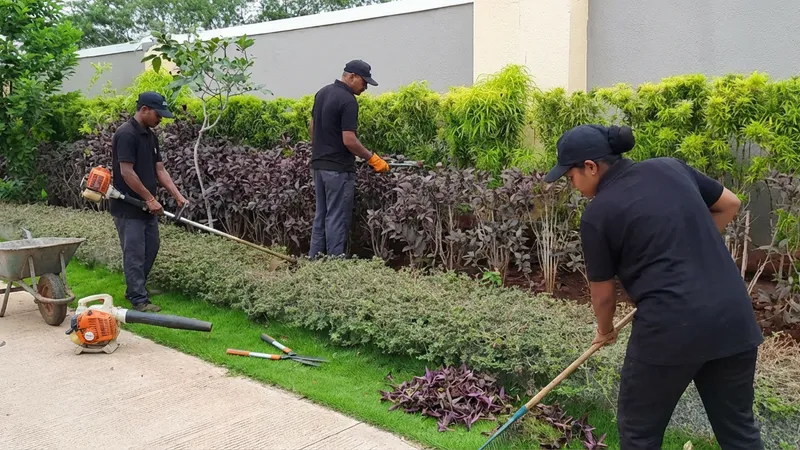
If you’re searching for garden maintenance cost pune, here’s the short answer before we get into the details.
TL;DR: Monthly garden maintenance in Pune costs between ₹1,000 and ₹15,000 depending on your property type. A flat or apartment terrace garden runs ₹1,000–₹2,500/month. A row house with a small lawn sits around ₹2,500–₹5,000/month. A bungalow with a full garden starts at ₹5,000 and goes up to ₹15,000 for large properties with extensive landscaping. Get a free quote for your garden →
Now let’s break down exactly where your money goes, what you should expect, and how to avoid getting overcharged.
Monthly Garden Maintenance Rates by Property Type
This is the table most people are looking for. These rates are based on what professional gardening companies in Pune (including us) charge as of early 2026. Rates assume gardens in reasonable condition — severely neglected gardens may need a one-time restoration before regular maintenance kicks in.
| Property Type | Garden Size (approx.) | Visits/Week | Monthly Cost (₹) |
|---|---|---|---|
| Apartment balcony | Up to 100 sq ft | 1 | 1,000 – 1,500 |
| Terrace garden | 100 – 300 sq ft | 1 | 1,500 – 2,500 |
| Flat with attached garden patch | 200 – 500 sq ft | 1–2 | 2,000 – 3,500 |
| Row house (small garden) | 300 – 800 sq ft | 1–2 | 2,500 – 5,000 |
| Row house (full garden + lawn) | 800 – 1,500 sq ft | 2–3 | 4,000 – 7,000 |
| Independent house / bungalow | 1,500 – 3,000 sq ft | 3–4 | 6,000 – 10,000 |
| Large bungalow / villa | 3,000 – 5,000 sq ft | 4–5 | 8,000 – 15,000 |
| Farmhouse | 5,000+ sq ft | 4–6 | 12,000 – 25,000+ |
| Housing society (common areas) | Varies | Daily | Custom quote |
A few notes on these numbers.
The ranges exist because no two gardens are the same. A 500 sq ft garden full of easy-care shrubs costs less to maintain than a 500 sq ft garden with a manicured lawn, rose beds, a vegetable patch, and a vertical garden wall.
Frequency matters a lot. A weekly visit costs roughly half of what a thrice-weekly visit costs — but some gardens genuinely need those extra visits, especially during monsoon when weed growth and waterlogging need constant attention.
For housing societies and corporate campuses, pricing works differently. We quote based on total area, number of malis needed, and scope of work. Reach out for a custom quote if you manage a society garden.
What’s Included in the Monthly Cost
Before comparing prices, you need to know what you’re actually paying for. A “₹3,000/month” quote from one company might include half the services of a “₹4,500/month” quote from another.
Here’s what a solid garden maintenance plan should include as standard:
Every Visit (Weekly Basics)
- Watering — adjusted for the current season, weather, and soil moisture levels
- Pruning and trimming — deadheading spent flowers, trimming hedges, cutting back overgrown branches
- Weeding — manual removal from beds, pathways, around trees, and lawn edges
- Plant health check — spotting early signs of pest damage, fungal infection, or nutrient deficiency
- Sweeping and cleanup — clearing fallen leaves, twigs, and garden debris
Monthly Tasks
- Lawn mowing — 2 to 4 times per month depending on grass type and growth rate (Bermuda grass grows fast; Doob grass needs less frequent cuts)
- Fertilizer application — organic options like vermicompost, bone meal, or neem cake depending on what your plants need
- Soil loosening — breaking up compacted topsoil around plant bases to improve water absorption and root breathing
- Pest control — neem oil spray, organic fungicide application, checking for mealybugs, aphids, and the white grubs that love Pune’s laterite soil
Seasonal Tasks (Quarterly / As Needed)
- Seasonal planting — swapping out spent seasonal flowers (marigold, petunia, salvia) and replanting for the next season
- Mulching — adding organic mulch around plant bases before summer to retain moisture
- Deep fertilization — vermicompost or compost application at the start of each growing season
- Irrigation system check — testing drip lines, sprinklers, and timers if you have an automated setup
The cost of seasonal flower plants is usually not included in the monthly fee. Most companies charge plants at cost, which is fair. What’s not fair is when they mark up plant prices by 50–100% — more on that in the hidden charges section.
What Affects the Price
Four main factors determine your garden maintenance cost in Pune. Understanding these helps you evaluate quotes properly.
1. Garden Size and Complexity
This one’s obvious. A larger garden takes more time, more materials, and sometimes more than one mali (gardener) per visit.
But complexity matters just as much as size. Here’s a rough comparison:
| Garden Type | Maintenance Effort | Cost Impact |
|---|---|---|
| Simple shrubs and trees | Low | Base rate |
| Shrubs + lawn | Medium | +20–30% |
| Lawn + flower beds + hedges | Medium-High | +30–50% |
| Full landscape (lawn, beds, vertical garden, vegetable patch) | High | +50–80% |
| Designer landscape with water features | Very High | +80–120% |
A 1,000 sq ft garden in Koregaon Park with just mature trees and ground cover might cost ₹3,000/month. The same size garden in Baner with a manicured lawn, seasonal flower beds, and a kitchen garden could easily be ₹6,000–₹7,000/month.
2. Current Garden Condition
If you’ve let your garden go for a few months (or a few years), expect a one-time restoration charge before regular maintenance starts. This usually covers:
- Heavy weed clearing
- Dead plant removal
- Soil conditioning with compost or vermicompost
- Pruning overgrown trees and hedges
- Lawn repair or re-laying
One-time restoration typically costs ₹3,000 to ₹15,000 depending on the state of things. After that, regular monthly rates apply.
3. Visit Frequency
This is the single biggest lever on your monthly cost.
| Visits Per Week | Best For | Typical Monthly Cost Range |
|---|---|---|
| 1 visit | Balconies, terrace gardens, low-maintenance gardens | ₹1,000 – ₹3,000 |
| 2 visits | Small row house gardens, gardens with lawns | ₹2,500 – ₹5,000 |
| 3 visits | Medium gardens, gardens with seasonal beds | ₹4,000 – ₹7,000 |
| 4–5 visits | Large bungalows, villas with full landscaping | ₹6,000 – ₹15,000 |
| Daily | Housing societies, commercial properties | Custom |
Don’t over-buy visits. A terrace garden with potted plants doesn’t need 3 visits a week. Once a week is plenty if your watering is set up correctly. A good company will tell you what you actually need — not try to sell you the most expensive plan.
4. Location Within Pune
This might surprise you, but location does affect pricing. Not because of arbitrary “area premiums,” but because of practical realities.
Gardens in Hinjewadi, Wakad, and Baner — Pune’s western growth corridor — often have newer construction with raw, unimproved soil. This red laterite soil is common across western Pune and needs more soil conditioning, more compost, and more attention to drainage. That adds to the cost.
Properties in Koregaon Park, Kalyani Nagar, and Kothrud tend to be older with more established gardens and better soil from years of organic matter buildup. Maintenance here can actually cost less because you’re working with healthier soil.
Hinjewadi and NIBM Road properties are often farther from nursery hubs, which can slightly increase plant sourcing costs.
Travel distance also matters. If a gardening team is based in central Pune and your farmhouse is in Mulshi, you’ll likely pay a bit more to account for travel time.
Hidden Charges to Watch Out For
This is the section I wish someone had written for me when I first started comparing garden maintenance quotes in Pune. Here are the charges that catch people off-guard.
Plant Costs Billed Separately (and Marked Up)
Most maintenance contracts don’t include the cost of new plants. That’s standard and fair — you shouldn’t be paying for plants you don’t need.
The problem is when companies charge ₹80 for a seasonal plant that costs ₹30–₹40 at a Pune nursery. Always ask: “What’s your plant sourcing policy?” A transparent company will charge you at cost or at a small, disclosed markup.
”Soil and Compost” Charges
Some companies charge separately for vermicompost, cocopeat, and soil amendments — on top of your monthly fee. This should be included in any decent maintenance plan. If it’s extra, make sure you know the rate upfront.
Festival / Seasonal Planting as Extras
Swapping seasonal flowers 3–4 times a year is part of garden maintenance. If a company treats every seasonal changeover as a separate billable project, you’ll end up paying significantly more than the quoted monthly rate.
Ask clearly: “Does the monthly rate include seasonal replanting labour, or just the regular upkeep?”
Equipment and Tool Charges
Professional malis bring their own tools — secateurs, hedge trimmers, lawn mowers, sprayers. If a company charges you separately for “equipment usage,” that’s a red flag. You’re paying for a service, not renting equipment.
One-Time “Assessment” Fees
Some companies charge ₹500–₹1,000 for an initial garden assessment or site visit before giving you a quote. We don’t think that’s right. A reputable company should visit your garden, understand what’s needed, and give you an honest quote — for free. Book a free site visit with us →
Pest Control as a Premium Add-On
Basic organic pest control — neem oil sprays, manual pest removal, fungicide application — should be part of your regular maintenance visits. If a company charges extra every time they spray neem oil, the monthly rate they quoted you isn’t the real rate.
Heavy infestations that need specialized treatment are a fair exception. But routine pest management? That’s maintenance 101.
DIY vs Professional — Cost Comparison
Let’s be honest about this. Not every garden needs a professional. Here’s a practical cost comparison so you can decide what makes sense for your situation.
DIY Costs (Monthly Estimate)
| Item | Approximate Monthly Cost (₹) |
|---|---|
| Mali (part-time, shared — 2–3 visits/week) | 1,500 – 3,000 |
| Water (additional usage) | 200 – 500 |
| Fertilizer (vermicompost, neem cake) | 300 – 600 |
| Seasonal plants (3–4 times/year, amortised) | 200 – 500 |
| Pest control products (neem oil, etc.) | 100 – 300 |
| Tools replacement/maintenance | 100 – 200 |
| Total | 2,400 – 5,100 |
Professional Service Costs (Monthly)
| Item | Approximate Monthly Cost (₹) |
|---|---|
| Monthly maintenance plan (row house) | 3,000 – 6,000 |
| Seasonal plants (at cost, billed separately) | 200 – 500 |
| Total | 3,200 – 6,500 |
The professional option costs 20–40% more. But here’s what you get for that difference:
With DIY + local mali:
- You manage the mali’s schedule and attendance (and anyone who’s dealt with shared malis in Pune housing societies knows attendance can be… unpredictable)
- You diagnose plant problems yourself (or by the time you notice, it’s too late)
- You buy fertilizers, pesticides, and plants yourself
- No structured seasonal care plan
- You’re responsible if something goes wrong
With a professional service:
- Trained team that shows up on schedule
- Proper pruning techniques (bad pruning kills more plants in Pune than pests do)
- Proactive pest and disease management
- Seasonal planting calendar customised for Pune’s climate
- Expert advice on what to plant, where, and when
- Accountability — if a plant dies due to neglect, it’s on them
For a balcony garden or a small terrace with 15–20 pots, DIY makes total sense. You don’t need a professional for that.
For anything with a lawn, hedges, or 30+ plants, the math tilts toward professional care. The expertise gap shows up quickly — in how your lawn is mowed (uneven cutting damages grass crowns), how hedges are shaped (wrong cuts cause dieback), and how pest issues are caught early (before your entire hibiscus hedge gets mealybug).
For a full comparison of our lawn care approach, check our lawn care services page.
Seasonal Cost Variations in Pune
Pune’s three-season cycle directly affects garden maintenance costs. Here’s what to expect through the year.
Pre-Monsoon / Summer (March – May)
Cost impact: Standard to slightly higher
Summer is all about keeping plants alive through 38–42°C heat. Main tasks:
- Extra watering (twice daily for some plants)
- Mulching to retain soil moisture
- Summer pruning before the monsoon growth spurt
- Planting heat-hardy seasonal flowers — Portulaca, Vinca, Gaillardia, Zinnia
- Checking irrigation systems before monsoon makes them harder to fix
Some companies charge 10–15% more during peak summer because of increased watering visits. Ask upfront if your plan rate stays fixed year-round.
Monsoon (June – September)
Cost impact: Higher maintenance effort
Monsoon is the busiest season for garden maintenance in Pune. The 800–900mm of rainfall the city gets between June and September creates explosive growth — both the plants you want and the weeds you don’t.
Key monsoon tasks:
- Weeding — this becomes a weekly battle, not a minor chore. Weeds grow back within days of removal.
- Drainage management — ensuring water doesn’t pool around roots, especially in gardens with Pune’s heavy clay-laterite soil
- Fungal disease control — powdery mildew, leaf spot, root rot all spike during monsoon
- Trimming — growth rates double or triple, so hedges and shrubs need more frequent cutting
- Lawn care — monsoon is when lawns either thrive or develop patches. Proper mowing height (not too short!) and drainage are critical.
- Seasonal planting — monsoon is prime planting season in Pune. Everything from trees to ground covers establishes best when planted in July-August.
If your plan includes a fixed number of visits, monsoon might be the season where you need to temporarily increase frequency. A good company will advise you on this honestly rather than locking you into a higher year-round rate.
For detailed monsoon guidance, we’ve written a full guide on monsoon gardening tips for Pune gardens.
Post-Monsoon / Winter (October – February)
Cost impact: Standard to slightly lower
This is Pune’s golden gardening season. Temperatures settle to 15–30°C, humidity drops, and plants respond beautifully.
Winter tasks:
- Seasonal planting — this is the best time for flowering plants. Petunias, Marigolds, Dahlias, Salvias, Chrysanthemums all go in.
- Fertilization — post-monsoon is when soil needs a nutrient boost. Vermicompost and organic fertilizers go a long way.
- Lawn overseeding — patching up any bare spots from monsoon damage
- Pruning — shaping up trees and large shrubs after their monsoon growth
- Pest control — mealybug and scale insect populations often spike in the cooler, drier months
Maintenance effort is actually lower in winter because growth is manageable and weather cooperates. If any season gives you the best value per rupee, it’s October through February.
Annual Cost Summary
| Season | Months | Relative Cost | Key Cost Drivers |
|---|---|---|---|
| Summer | Mar – May | Standard + 10–15% | Extra watering, mulching, heat damage repair |
| Monsoon | Jun – Sep | Standard + 15–25% | Intensive weeding, pest/fungal control, drainage |
| Winter | Oct – Feb | Standard | Seasonal planting, fertilization, pruning |
If your contract is at a flat monthly rate, the company absorbs these seasonal variations. That’s one advantage of a fixed monthly plan over paying per visit — you get monsoon-level care without monsoon-level bills.
How to Choose a Garden Maintenance Company in Pune
Pune has dozens of gardening companies, freelance malis, and “landscaping startups.” Here’s how to sort through them.
Ask These Questions Before Signing Up
-
“What exactly is included in the monthly rate?” — Get a written list. Not a vague “we’ll take care of everything.” If pruning, pest control, and seasonal planting aren’t explicitly listed, they’ll probably be charged extra later.
-
“Do you use organic products?” — This matters more than you think. Chemical pesticides and synthetic fertilizers degrade soil health over time. Pune’s laterite soil is already low in organic matter — you don’t want to make it worse. Good companies use neem oil, vermicompost, bio-fertilizers, and organic fungicides.
-
“Who will actually do the work?” — Is it a trained mali who works for the company? Or a freelancer they subcontract to? Consistency matters. You want the same person who knows your garden showing up every week.
-
“What’s your cancellation policy?” — Avoid companies that lock you into 6-month or 12-month contracts. A good service retains clients through quality, not contracts. Month-to-month with 15 days notice is the standard you should expect.
-
“Can I see gardens you currently maintain?” — Any company worth hiring will happily show you their active client gardens. If they can’t or won’t, move on.
-
“How do you handle plant replacements and new additions?” — Are plants billed at nursery cost or marked up? Is the labour for planting included in your plan or charged separately?
Red Flags to Avoid
- No written quote or service list — everything should be documented
- Pressure to sign a long-term contract before seeing their work
- No fixed schedule — “we’ll come when needed” means you’ll be chasing them
- The same person does everything — from landscaping design to daily weeding. A company needs different skill levels for different tasks.
- No local knowledge — if they can’t tell you the difference between what grows well in Kothrud vs Wakad, they don’t know Pune gardening.
What Good Service Looks Like
You come home and the garden looks cared for. The lawn is even. The hedges have clean lines. Dead flowers have been removed. There’s no weed creeping through the borders.
You don’t have to remind them to come. You don’t have to explain what needs pruning. They just know because they’ve been watching your garden every week.
That’s what professional maintenance should feel like. Not a transaction, but a relationship with someone who cares about your garden almost as much as you do.
FAQs
How much does a mali charge per month in Pune?
A shared mali (who visits multiple houses) charges ₹1,500 to ₹3,000/month in Pune for 2–3 visits per week. A full-time mali for a large property charges ₹12,000 to ₹18,000/month. The difference between a mali and a professional garden maintenance service is expertise, accountability, and the range of services — professional teams handle everything from soil testing to pest management to seasonal planning.
Is garden maintenance worth the cost?
Absolutely — if you have a garden that matters to you. Neglected gardens deteriorate fast in Pune’s climate. A lawn that isn’t mowed correctly develops thatch. Shrubs that aren’t pruned properly get leggy and sparse. Pests that aren’t caught early spread to every plant. The cost of fixing a neglected garden is always higher than maintaining it regularly. Prevention is cheaper than cure.
Can I start with a basic plan and upgrade later?
Yes. Most professional companies, including us, offer flexible plans. Start with weekly visits and see how your garden responds. If you find you need more frequent care — especially during monsoon — you can upgrade. There’s no penalty for changing plans.
Do you maintain society gardens and common areas?
We do. Housing society gardens need a different approach — daily maintenance, larger teams, coordination with the society committee, and often a full-time mali stationed on-site. Costs vary widely based on the society size and garden area. Contact us for a custom society garden quote →. You can also see our society garden services for more details.
What about kitchen gardens and vegetable patches?
Kitchen garden maintenance is usually included in your regular plan if it’s part of your overall garden. Vegetable gardens do need more attention — soil enrichment with vermicompost, pest monitoring (organic only — you’re eating these vegetables), and seasonal crop rotation. If you want a dedicated vegetable garden setup, that’s more of a landscaping project initially, with maintenance folded into your regular plan afterward.
Do rates change during monsoon?
If you’re on a fixed monthly plan, the rate stays the same year-round. The company absorbs the extra effort during monsoon. If you’re paying per visit, monsoon visits may cost 10–20% more because they take longer — more weeding, more trimming, more drainage work. Fixed monthly plans give you cost predictability.
How quickly can you start?
We typically do a free site visit within 2–3 days of your enquiry, provide a quote on the spot, and can start regular maintenance within a week. If your garden needs restoration work first, that adds another 3–7 days depending on the scope.
Ready to Get a Quote for Your Garden?
You’ve read the numbers. You know what to look for and what to avoid.
The next step is simple — tell us about your garden and get a quote that’s specific to your property, your location, and your needs.
Three ways to move forward:
-
Get a free quote → — Tell us your property type and location. We’ll schedule a free site visit and give you an honest quote.
-
See our maintenance plans → — Detailed breakdown of what’s included in every plan tier.
-
Check our pricing page → — Transparent pricing for every service we offer.
We maintain gardens across Pune — from apartment terraces in Viman Nagar to bungalow estates in Koregaon Park, row house gardens in Baner and Kharadi, and society common areas in Pimpri-Chinchwad and Hadapsar.
Your garden deserves consistent, knowledgeable care. Let’s make that happen.
Have Questions About Your Garden?
Talk to our experts — we'll help you figure out the right approach for your space and budget.