· Updated
Best Indoor Plants for Offices in Pune: Expert Recommendations
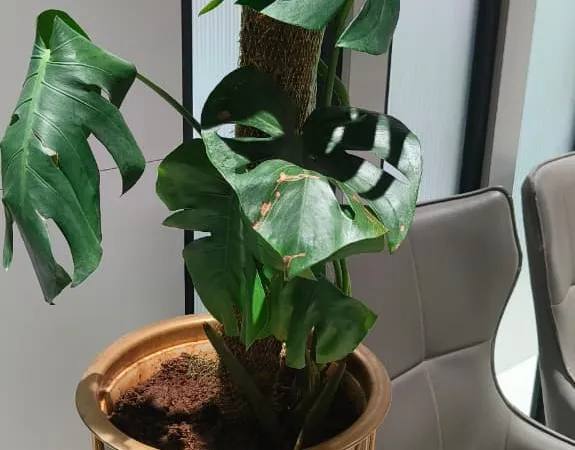
Your Office Probably Needs More Plants Than You Think
Here’s a number that gets facility managers’ attention: adding plants to a bare office raised productivity by about 15%. That figure comes from three field experiments run in real commercial offices in the UK and the Netherlands by researchers at Cardiff, Exeter, Groningen and Queensland, published in the Journal of Experimental Psychology: Applied in 2014. Not a lab, not a survey. Actual offices, measured over months.
If you’re managing an office in Pune and searching for the best indoor plants for your office, you’re asking the right question. But “best” depends on where your office is, how your AC runs, what kind of light you get, and how much attention anyone will realistically give these plants on a Monday morning.
We’ve placed and maintained indoor plants in Pune offices for years, from 20-desk startups in Baner to 500-seat IT campuses in Hinjewadi. This guide covers what actually works, what dies within a month, and what’s worth your money.
Looking after plants at home instead? The constraints are different: no AC running ten hours a day, but a much wider humidity swing across the year. Our guide to indoor plants in Pune homes covers that side.
About the Air Purification Claim
Most articles on this topic will tell you office plants clean your air. We used to say it too. The honest position is more interesting, and worth knowing before you buy plants for the wrong reason.
The claim traces back to a 1989 NASA study that measured how plants absorbed formaldehyde, benzene and trichloroethylene. The results were real, but they were produced inside small sealed chambers, which is a very long way from an office with doors, windows, people and an air handling unit.
In 2019, researchers at Drexel University reviewed 12 published studies covering 196 experiments and found the effect does not survive contact with a real building. Their conclusion: you would need somewhere between 10 and 1,000 plants per square metre to match the air cleaning a building’s ventilation system already does. For a 1,500 sq ft space, that works out to roughly 680 plants. Ordinary air exchange dilutes indoor pollutants far faster than plants can absorb them.
So no, twelve pothos in a Kharadi office are not measurably cleaning your air. If indoor air quality is your actual concern, ventilation rates and mechanical filtration are the levers that move it, and any honest supplier should tell you that rather than sell you plants for the job.
What plants demonstrably do deliver is the productivity, engagement and satisfaction effect measured in those field experiments above, plus the visible signal that a company invests in the space its people sit in. That is a good enough reason on its own.
And the impression factor is real. Walk into any well-run office in Kharadi or Viman Nagar and you’ll notice the lobby greenery. It’s deliberate. Companies use indoor plants to signal that they care about the work environment, and by extension, about their people.
What Makes a Plant “Office-Friendly” in Pune
Not every plant that looks gorgeous at a Pune nursery will survive your office. Nurseries grow plants in ideal conditions: shade nets, daily watering, controlled humidity. Your office is completely different.
AC tolerance. Most Pune offices run air conditioning 8 to 10 hours a day. That dry, cool air sucks moisture from leaves faster than roots can replace it. You want thick-leaved, waxy species that hold onto their moisture.
Low light survival. Unless your desk sits next to a window, your office gets 50-200 lux of artificial light. The plants on this list photosynthesize under fluorescent or LED lights without slowly starving.
Weekend neglect. Nobody waters plants on Saturday and Sunday. In March and April, when Pune’s daytime humidity regularly falls below 30%, that two-day gap stresses thirsty plants. Office-friendly species handle irregular watering without drama.
Pune’s seasonal swing. March is the driest month of the year in Pune, while August averages close to 88% relative humidity. Your plants live through both. Winter is mild but changes light angles. A good office plant handles all three without fuss.
Top 10 Indoor Plants for Pune Offices
We’ve tested dozens of species in real Pune offices. These ten consistently survive, grow, and look good.
1. Snake Plant (Sansevieria trifasciata)
Light: Low to bright indirect. Watering: Every 10-14 days. The closest thing to an indestructible office plant. Tolerates AC, low light, irregular watering, and complete indifference. It is also one of the few plants that keeps its stomata open at night, which is a genuine botanical quirk rather than an air quality claim. We place them at workstation clusters in Hinjewadi IT parks where they get zero natural light, and they thrive. Use a well-draining soil mix with perlite. Standard nursery soil stays too wet in monsoon and causes root rot.
2. Pothos (Epipremnum aureum)
Light: Low to medium indirect. Watering: Weekly. The perfect shelf and desk plant. Trailing vines soften hard office edges: bookshelves, filing cabinets, partition tops. During monsoon, cut back watering to every 10 days; the humidity alone keeps pothos happy. Wipe leaves with a damp cloth in AC offices, dust blocks light absorption. A liquid fertilizer monthly during the growing season keeps vines lush.
3. ZZ Plant (Zamioculcas zamiifolia)
Light: Very low to medium. Watering: Every 2-3 weeks. Stores water in thick rhizomes underground and handles pitch-dark corners. Its glossy leaves always look polished. The biggest threat in Pune offices isn’t under-watering. It’s overwatering by well-meaning staff, especially during monsoon. Make sure the pot has drainage holes and the soil mix includes perlite.
4. Areca Palm (Dypsis lutescens)
Light: Medium to bright indirect. Watering: Twice weekly in summer, weekly otherwise. The go-to statement plant for reception areas. Feathery fronds create an instant tropical look, and a mature areca palm transpires up to a litre of water daily, countering AC dryness. You’ll spot them in office lobbies across Kharadi and Hinjewadi. Position within 2-3 metres of a window. In Pune’s dry summer, mist the fronds weekly or use a pebble tray beneath the pot.
5. Peace Lily (Spathiphyllum)
Light: Low to medium. Watering: Weekly (droops visibly when thirsty). One of the few flowering plants that blooms in low light. White flowers reliably appear even under office lighting. Peace lilies love Pune’s monsoon humidity and put out the most blooms between July and September. Keep them away from direct AC vents. A soil mix of cocopeat and compost works well.
6. Rubber Plant (Ficus elastica)
Light: Medium to bright indirect. Watering: Weekly. Large, glossy leaves make a bold statement in conference room corners. Thick, waxy foliage handles AC well and absorbs airborne mould spores, useful during monsoon. They grow up to 2 metres indoors; prune the top for bushier growth. Feed with balanced liquid fertilizer every 3-4 weeks from October to February, Pune’s prime growing season.
7. Aglaonema (Chinese Evergreen)
Light: Low to medium. Watering: Weekly. Brings colour to shaded corners. Varieties like ‘Red Lipstick’ and ‘Silver Queen’ maintain variegation even in low light. Sensitive to cold drafts, so in winter don’t place near office entrances. Watch for mealybugs on leaf undersides during dry months, a neem oil spray monthly handles pest control.
8. Dracaena (Dracaena marginata / fragrans / compacta)
Light: Low to medium. Watering: Every 7-10 days. Tall, architectural shapes that fill vertical space in corridors and meeting rooms. Dracaena is sensitive to fluoride. If you notice brown leaf tips, switch to filtered or RO water. Grows slowly, so plan your pot size accordingly.
9. Spider Plant (Chlorophytum comosum)
Light: Low to bright indirect. Watering: Weekly. Cheerful, fast-growing, and produces “babies” on runners you can propagate endlessly. Great in hanging baskets in the cafeteria or break room. Loves Pune’s monsoon humidity. In dry summer months, leaf tips may brown. That’s a humidity issue, not watering. Misting helps.
10. Money Plant (Epipremnum aureum / Scindapsus)
Light: Low to medium. Watering: Weekly, or grows in just water. Arguably the most popular indoor plant in Indian offices. Nearly impossible to kill, trails beautifully from shelves and window grilles. Many Pune offices grow these in glass bottles, zero soil, zero mess. If growing in water, change it every 7-10 days to prevent mosquito breeding during monsoon. Add a drop of liquid fertilizer monthly.
Plant Comparison Table
| Plant | Light Needed | Watering | AC Tolerance | Weekend Neglect | Best For |
|---|---|---|---|---|---|
| Snake Plant | Low - Bright | Every 10-14 days | Excellent | Excellent | Workstations, corridors |
| Pothos | Low - Medium | Weekly | Good | Good | Shelves, desks |
| ZZ Plant | Very Low - Medium | Every 2-3 weeks | Excellent | Excellent | Dark corners |
| Areca Palm | Medium - Bright | 2x/week summer | Moderate | Poor | Reception, lobbies |
| Peace Lily | Low - Medium | Weekly | Moderate | Poor, wilts visibly | Meeting rooms |
| Rubber Plant | Medium - Bright | Weekly | Good | Good | Conference rooms |
| Aglaonema | Low - Medium | Weekly | Good | Good | Desks, dividers |
| Dracaena | Low - Medium | Every 7-10 days | Good | Good | Corridors |
| Spider Plant | Low - Bright | Weekly | Good | Moderate | Hanging baskets |
| Money Plant | Low - Medium | Weekly / water only | Good | Yes (formaldehyde) | Desks, window grilles |
Plants to Avoid in Pune Offices
Ferns (Boston Fern, Maidenhair). Need 60%+ humidity at all times. Pune’s AC offices hover around 30-35%. Ferns turn crispy within weeks.
Calathea and Maranta. Beautiful but incredibly fussy. They hate dry air, cold AC drafts, and direct light. We’ve seen offices in Hinjewadi buy a dozen calatheas. Every one looked terrible within a month.
Fiddle Leaf Fig (in most spots). Needs bright, consistent light and hates being moved. Works in a bright lobby, fails miserably in interior spaces. Choose a rubber plant instead. Similar visual impact, far more forgiving. If you insist, consider renting plants with maintenance.
Succulents and Cacti. Counter-intuitive, but they need bright, direct light, the one thing most office desks lack. Under fluorescent lights they stretch out, lose shape, and rot from overwatering.
Crotons. Drop leaves dramatically when stressed by AC. You’ll spend more time sweeping than enjoying them.
Plant Care Tips for AC Offices
Keep plants away from AC vents. At least a metre distance. The cold, dry blast causes uneven leaf browning.
Group plants together. A cluster of 3-5 plants creates a localised humidity zone through transpiration.
Use the right soil mix. Cocopeat (40%), garden soil (30%), perlite (20%), vermicompost (10%). Drains well but holds enough moisture between waterings.
Wipe leaves monthly. Dust accumulates faster in AC offices and blocks the stomata plants breathe through.
Watch for spider mites. Dry AC air is their paradise. Check leaf undersides monthly. Neem oil spray every 2-3 weeks is good preventive pest control.
Adjust watering seasonally. Summer (March-May): water slightly more. Monsoon (June-September): reduce watering, soil stays moist longer. Always check the top inch of soil before watering.
Fertilize wisely. Diluted liquid fertilizer every 2-3 weeks from October to March. The active growing season in Pune. Skip during peak summer and monsoon.
Buy vs Rent: What’s Better for Offices
Buying works if you have a dedicated facility or admin person who genuinely cares about plants, your office is small (under 15 plants), and you’re okay replacing a fair share of them every year. Across the Pune offices we have taken over from in-house arrangements, annual losses of 20% to 30% were common.
Renting works if you want plants that always look perfect without anyone on your team lifting a watering can. No one has the time or interest to troubleshoot yellowing leaves and fungal soil. Dead plants get swapped at no cost. A professional handles watering, soil, pest control, and seasonal adjustments.
Here’s the math for a medium office: buying 30 plants costs roughly ₹15,000-25,000 upfront (plants plus pots), plus ₹5,000-10,000/year replacing the ones that die. Add in someone’s time spent watering. Even 15 minutes a day adds up over months. Total first-year cost: ₹25,000-40,000, and your office probably still has a few sad-looking plants by December.
Renting those same 30 plants costs ₹3,000-5,000/month: roughly ₹36,000-60,000/year. More expensive on paper, yes. But the plants always look great and your team does zero work. For most offices, rental wins on outcomes.
Full pricing on our pricing page. Details on our plants on rent in Pune.
Where to Place Plants in Your Office
Reception and lobby. Statement plants: areca palms, rubber plants, tall dracaena. First impressions happen here.
Open-plan areas. One snake plant or ZZ plant per cluster of 4-6 desks. Pothos on filing cabinets and partition tops.
Meeting rooms. A single peace lily, dracaena, or aglaonema in the corner. Choose something that handles stale air and intermittent use.
Cafeteria and break rooms. Go lush: hanging spider plants, trailing money plants, pothos on shelves. Some Hinjewadi offices have added herb planters (basil, mint) in pantry areas.
Corridors. Tall floor plants fill empty corners. Dracaena flanking a hallway entrance. Snake plants tolerate foot traffic.
Executive cabins. A single premium plant in an elegant planter. Large rubber plant or mature areca palm.
Ready to Green Up Your Pune Office?
If your team has the bandwidth, start small. The snake plant, pothos, and ZZ plant trio is practically foolproof.
If you want consistent results without the effort, talk to us. Our office plant rental service covers selection, delivery, planters, weekly maintenance, and free replacements. We work with offices across Hinjewadi, Kharadi, and the rest of Pune.
For larger offices needing both indoor plants and outdoor landscape management, our corporate gardening service handles everything under one contract.
We offer a free office assessment: we visit your space, check the lighting and AC layout, and recommend exactly which plants go where. No obligation.
Get a free office plant assessment or call us at +91-9503620110. We’ll have a proposal in your inbox within 48 hours.
Sources: Productivity findings from Nieuwenhuis, Knight, Postmes and Haslam, “The Relative Benefits of Green Versus Lean Office Space: Three Field Experiments”, Journal of Experimental Psychology: Applied, 2014. Air purification analysis from Cummings and Waring, Drexel University, 2019, reviewing 12 studies and 196 experiments on potted plants and indoor volatile organic compounds. Pune humidity figures from published climate normals for the city. Plant performance notes and replacement rates are from Pune Greens office installations as of August 2026.
Frequently Asked Questions
What are the best low-maintenance indoor plants for a Pune office?
Which indoor plants survive in air-conditioned offices?
How many plants does an office need?
Is it better to buy or rent office plants in Pune?
Need Professional Help?
Pune Greens offers these related services in Pune:
- Office Plant Rental in Pune from ₹100/plant/month
- Plant Rental in Pune from ₹100/plant/month
- Corporate Gardening in Pune from ₹8,000/month
Have Questions About Your Garden?
Talk to our experts. We'll help you figure out the right approach for your space and budget.