· Updated
Is Plant Rental Worth It? A No-Nonsense Cost Comparison for Pune Businesses
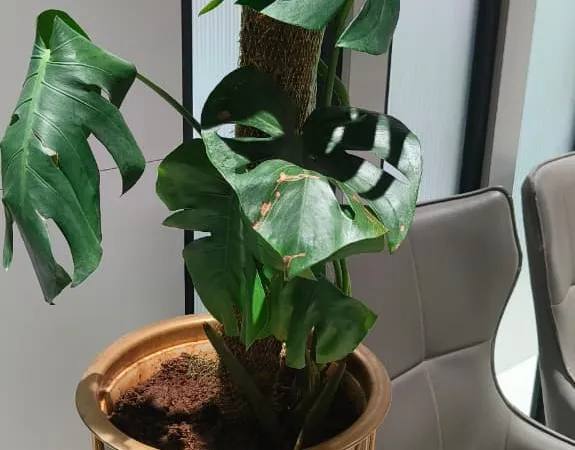
If you run an office in Pune and you’ve ever bought plants, watched half of them die within six months, and replaced them, this article is for you.
The question isn’t “are plants good for an office.” Field research has largely settled that one. Adding plants to a bare office raised productivity by about 15% across three field experiments in real commercial offices, published in the Journal of Experimental Psychology: Applied in 2014. They also change how clients read your reception.
What plants do not do, despite what most suppliers will tell you, is meaningfully clean your air. A 2019 Drexel University review of 196 experiments found you would need 10 to 1,000 plants per square metre to match your building’s ventilation. We cover that in detail in our guide to the best indoor plants for Pune offices. Buy plants for how the space feels and performs, not for air quality.
The real question is whether you should buy those plants or rent them.
Here’s the short answer: if your office buys 30 plants today, 12 to 18 months later, roughly 10 to 15 of them will be dead or looking awful. You will have spent about ₹22,000 to ₹35,000, including replacements and whatever you paid the office boy to water them. If you rent those same 30 plants instead, you pay about ₹3,000 to ₹5,000 per month, the plants always look perfect, and someone else does all the work.
The math tilts further toward rental the larger your office gets. Let’s walk through the actual numbers.
What Office Plants Actually Cost to Own
Most people compare the wrong numbers. They see that a snake plant costs ₹300 at a nursery and think “rental at ₹100 per month per plant is a rip-off, I’ll buy.” But the nursery price is only the first of many costs.
The Real Ownership Costs
The plant itself. A standard indoor plant like a snake plant, pothos, or ZZ plant costs ₹200 to ₹500 from a Pune nursery. A statement plant like a mature areca palm or rubber plant costs ₹800 to ₹2,000. If you are buying for a home, our guide to indoor plants in Pune covers which species are worth the money here and where to buy them.
The planter. Nurseries sell plants in thin black plastic nursery bags. You need actual planters. A basic ceramic or fibre planter costs ₹150 to ₹500 per plant. For 30 plants, that’s ₹4,500 to ₹15,000 on planters alone before you have placed a single green leaf.
Soil and repotting. The soil nursery plants come in is usually cheap garden soil that compacts in pots within weeks. An indoor plant needs a proper potting mix: cocopeat, perlite, and vermicompost. Repotting 30 plants costs about ₹2,000 to ₹4,000 in materials and labour. And you’ll need to repot every 12 to 18 months as soil breaks down.
Fertiliser. Indoor plants in offices don’t get nutrients from rain or mulch. You need liquid fertiliser every two to three weeks during the growing season. That’s about ₹100 to ₹300 per month for 30 plants, or ₹1,200 to ₹3,600 a year.
Pest control. AC offices are spider mite heaven. The dry air is exactly what these tiny pests love, and by the time you notice them on a plant, they have spread to six others. A monthly neem oil spray is the bare minimum. Professional-grade pesticide treatments cost more if things get bad. Budget ₹500 to ₹2,000 a year for pest management.
Replacements. Here’s the cost nobody budgets for. Across the Pune offices we have taken over from in-house arrangements, annual losses of 20% to 30% were common, and worse in offices where nobody was clearly responsible. AC vents blast cold dry air onto leaves. Someone forgets to water on Fridays, and the plants go four days without moisture in summer. Someone else “helps” by watering already-wet soil during monsoon and root rot sets in. Replacing 10 dead plants at ₹300 to ₹500 each costs ₹3,000 to ₹5,000 a year, plus new planters for the replacements.
Staff time. Someone on your team is watering these plants. Even if it’s the office boy and it takes 10 minutes a day, that’s roughly 50 hours a year. At minimum wage, that’s ₹1,500 to ₹2,500. At the opportunity cost of what that person could have been doing instead, it’s more.
Total true cost of buying 30 plants, Year 1: ₹18,000 to ₹35,000. Year 2: ₹5,000 to ₹15,000 (replacements, fertiliser, more soil, more time). Two-year total: ₹25,000 to ₹50,000.
The Math: Three Realistic Office Scenarios
Let’s put numbers on three common Pune office setups.
Scenario A: Small Startup Office (10 Plants)
A 15-desk office in Baner. You want a couple of floor plants in reception and desk plants at workstations.
If you buy:
- 10 plants at ₹300 to ₹500 each: ₹3,000 to ₹5,000
- 10 planters: ₹1,500 to ₹3,000
- Soil, repotting, fertiliser, pest spray: ₹1,500 to ₹2,500 per year
- Estimated replacements (3-4 plants die year 1): ₹900 to ₹2,000
- Year 1 total: ₹6,900 to ₹12,500
- Year 2 total (same plants, mostly replacements): ₹2,500 to ₹5,000
If you rent:
- 10 plants at ₹100/plant/month: ₹1,000 per month
- Planters, soil, maintenance, replacements: all included
- Year 1 total: ₹12,000
- Year 2 total: ₹12,000
On 10 plants, buying wins on cost if you manage to keep most of them alive. The crossover point where rental pulls ahead is somewhere around 15 to 20 plants.
Scenario B: Medium IT Office (30 Plants)
A 50-desk office in Hinjewadi Phase 2. Reception statement plants, desk clusters, a few in the meeting rooms and cafeteria.
If you buy:
- 30 plants at ₹300 to ₹1,500 each (mix of small and statement): ₹12,000 to ₹25,000
- 30 planters: ₹4,500 to ₹10,000
- Soil, fertiliser, pest control, misc: ₹3,000 to ₹5,000 per year
- Estimated replacements (8-12 die year 1, same year 2): ₹3,000 to ₹6,000
- Year 1 total: ₹22,500 to ₹46,000
- Year 2 total: ₹6,000 to ₹11,000
- Two-year total: ₹28,500 to ₹57,000
If you rent:
- 30 plants at ₹100 to ₹200/plant/month (standard plus a few premium): ₹3,500 to ₹5,000 per month
- Everything included
- Year 1 total: ₹42,000 to ₹60,000
- Year 2 total: ₹42,000 to ₹60,000
At 30 plants, renting costs about 20 to 40% more on paper over two years. But remember what you’re getting for that premium: plants that always look perfect, zero staff involvement, no replacement hassles, no weekend stress about whether the cleaning staff remembered to water. For most medium Pune offices, the convenience is worth the modest premium. Our plant rental plans start at ₹100 per plant per month.
Scenario C: Large Corporate Campus (100 Plants)
A 500-desk IT campus in Kharadi. Full greenery programme: reception palms, desk plants, meeting rooms, corridors, cafeteria, breakout zones.
If you buy:
- 100 plants (bulk nursery pricing): ₹25,000 to ₹60,000
- 100 planters: ₹15,000 to ₹30,000
- Annual soil/fertiliser/pest costs: ₹8,000 to ₹15,000
- Annual replacements (25-35 plants): ₹8,000 to ₹18,000
- Potential dedicated in-house gardener (part-time): ₹60,000 to ₹1,20,000 per year
- Year 1 total: ₹1,16,000 to ₹2,43,000
- Year 2 total: ₹76,000 to ₹1,53,000
If you rent:
- 100 plants at ₹100 to ₹200/plant/month: ₹10,000 to ₹15,000 per month
- Everything included, plus dedicated weekly maintenance team
- Year 1 total: ₹1,20,000 to ₹1,80,000
- Year 2 total: ₹1,20,000 to ₹1,80,000
At 100 plants, rental wins convincingly over two years. The in-house gardener alone, whether a shared mali or a dedicated hire, wipes out the cost advantage of buying. And renting eliminates the hidden costs that grow exponentially with scale: multiple pest outbreaks, inconsistent watering across a large floor plate, plants in low-traffic corners being forgotten entirely.
For offices at this scale, we recommend a combined corporate gardening contract that bundles indoor plant rental with outdoor garden maintenance and campus landscaping. One contract, one monthly invoice, one point of contact. Our corporate solutions page covers the full package.
Why Rental Is Cheaper Than It Looks
People see ₹100 per plant per month and think “that’s ₹1,200 a year per plant, and I can buy a snake plant for ₹300.” But rental companies aren’t paying nursery retail prices.
A plant rental service buys plants at wholesale rates, sometimes 40 to 60% below what you pay at a nursery. They maintain stock in bulk, rotate plants between offices to give tired ones a recovery break at a nursery, and have professional care teams that keep mortality rates under 5%. They amortise planters across multiple uses over years. They mix their own soil in bulk. Their pest control costs per plant are a fraction of what you pay buying neem oil one bottle at a time.
The economies of scale are real. What looks like a ₹1,200 annual cost per plant on the renter’s side has a cost basis of ₹600 to ₹800 per plant on the service provider’s side. The difference is the service premium you pay for zero effort. And for most offices, that premium is worth every rupee.
The “Lazy Tax”: What Happens When Nobody Waters
Every office has a story about the plant someone bought on a Monday that was dead by month-end. Here’s the typical timeline.
Week 1: Plants arrive. Someone waters them enthusiastically. The office looks great.
Week 3: Enthusiasm fades. The person assigned to water the plants gets busy with actual work. One Friday they forget. The plants go thirsty for three days over the weekend. In Pune’s dry summer, that’s enough to stress a peace lily or pothos.
Week 5: Someone else notices the plants look sad and “helps” by giving them water. But it’s monsoon and the soil was already damp. Now it’s waterlogged. Root rot begins.
Week 8: The first leaves turn yellow. Nobody knows why. Someone moves a plant closer to an AC vent for “more air.” The cold, dry blast accelerates dehydration.
Month 3: A snake plant somehow still looks fine because snake plants are indestructible. But the areca palm in reception has brown frond tips and the dracaena in the meeting room has dropped half its leaves. The office now has 15 plants that look great and 15 that look like they’re apologising for existing.
Month 6: Someone finally removes the obviously dead plants. They were blocking the corridor anyway. The remaining plants look patchy. The office that wanted “green and professional” now has “green-ish if you squint.”
This is the lazy tax, and it is why so many office plants bought without a maintenance plan are gone inside a year. You don’t just lose the plant cost, you lose the impression it was supposed to create. A reception with a half-dead palm says something about your company that you probably don’t want it to say.
Renting eliminates this entire cycle. The plants are maintained weekly by people whose entire job is keeping plants alive in AC offices. Dead or declining plants get replaced before anyone notices. Our office plant rental service covers watering, pruning, pest control, and free replacements for every plant in your office.
5 Signs It’s Time to Switch from Buying to Renting
How do you know you’ve crossed the line where rental makes more sense? Watch for these.
1. You’ve bought the same plant species three times this year. If you’re on your third areca palm because the first two died, you’re not bad at plants. You’re dealing with an office environment that kills plants without professional care. Stop buying replacements and start renting.
2. Someone is officially or unofficially assigned “plant duty.” Once plant care becomes someone’s job among their actual job, it’s already failing. The plants become a low-priority item that gets addressed only when they look embarrassing.
3. Your reception palm is half yellow. This is the most visible plant in your office. It’s the first thing clients see. If it’s not perfect, it’s sending the wrong message. A well-maintained reception palm, Areca or Kentia, should be uniformly green from every angle. Yellow fronds mean inconsistent watering or poor light, both fixable with professional care. You can read about which species work best in our guide to the best indoor plants for offices in Pune.
4. Multiple people are “helping” with watering. This is worse than nobody watering. When four different people water plants on different schedules, some plants drown while others dry out. Consistency matters more than enthusiasm.
5. Your office has grown past 15 plants. This is the practical crossover line. Under 15 plants, buying with an attentive caretaker can work. Above 15 plants, the coordination overhead makes professional maintenance the sensible choice. And once you’re paying for maintenance, rental usually makes more sense than buying because the maintenance is bundled into the price.
What to Look for in a Plant Rental Service
If you’ve decided rental is worth exploring, here’s what separates a good service from a mediocre one.
Ask what’s included. Some services quote a low per-plant rate but charge extra for planters, delivery, pest control, and replacements. Get a written list of everything included in the monthly rate. A good service includes: plants, matching planters, delivery and placement, weekly or biweekly maintenance visits, watering, pruning, leaf cleaning, pest monitoring, and free replacements of any declining plant.
Ask how they choose plants. A service that lets you pick whatever looks pretty at a nursery without assessing your office environment is setting you up for disappointment. The right approach is a site visit first: checking light levels, AC airflow, available space, and then recommending species that will actually thrive. We do a free site assessment for every office before recommending a single plant.
Ask about their replacement policy. If a plant declines, how quickly does it get replaced? A good service swaps it during the next maintenance visit. If the policy is “we’ll look at it and decide,” you’ll end up with a line of sad-looking plants that nobody has made a decision about.
Ask to see their existing work. Any service worth hiring can show you offices they currently maintain or share photos. If they can’t or won’t, move on. For reference, you can see the kind of results we deliver on our portfolio page or read about how we helped a Hinjewadi IT office go from zero greenery to 120 plants in our plant rental service page.
One IT Office’s Switch: A Hinjewadi Case Study
An IT company in Hinjewadi Phase 2 was spending approximately ₹35,000 a year buying and replacing office plants. Their 8,000 sq ft office had about 40 plants at any given time, but the actual count fluctuated because plants kept dying and the facility manager was inconsistent about replacing them.
They tried assigning plant care to the office boy, then to a shared part-time mali, then to “whoever notices they need water.” Each approach failed in its own way. The office boy overwatered. The mali showed up sporadically. The “whoever notices” approach meant plants were watered about once every eight days, and some were missed entirely for two weeks.
They switched to our plants on rent in Pune service in early 2025. We conducted a site assessment, identified the spaces where plants had been dying (mostly near AC vents and in low-light corridors), and recommended a different species mix. Within two weeks we had placed 85 plants across the floor, chosen specifically for each location’s light and airflow conditions.
Twelve months later, every single plant is still alive. The replacement count was zero. Their actual cost: about ₹10,000 per month, or ₹1,20,000 a year. On paper, more than what they were spending before. But their facility manager puts it this way: “I haven’t thought about the plants since you took over. Nobody on my team has touched a watering can. And the office looks better than it ever has.”
They have since expanded to 120 plants and added their second floor. The monthly cost is about ₹14,000.
Is It Worth It? The Verdict
For most Pune offices, yes, renting office plants is worth it. Not always on pure cost, but on outcome. You’re not buying plants. You’re buying a guaranteed green workspace with zero operational overhead.
If your office has fewer than 15 plants and you have someone genuinely reliable who enjoys plant care, buying makes sense. The cost math favours it, and you might even enjoy the process.
If you have more than 15 plants, or nobody who reliably waters them, or you care about how your office looks every single day without exception, rental is the smarter choice. The premium you pay, 10 to 30% over buying, buys you consistency, expertise, and the complete elimination of the lazy tax.
Want to see what it would cost for your specific office? Get a free site assessment. We’ll visit, check your lighting and AC layout, and send you a proposal within 48 hours. No obligation, no pressure. You can also see our full pricing page for transparent rates on every service.
Sources: Productivity findings from Nieuwenhuis, Knight, Postmes and Haslam, “The Relative Benefits of Green Versus Lean Office Space: Three Field Experiments”, Journal of Experimental Psychology: Applied, 2014. Air quality analysis from Cummings and Waring, Drexel University, 2019, reviewing 12 studies and 196 experiments. Plant loss rates, wholesale margins and rental pricing are Pune Greens figures as of August 2026, drawn from offices we service across Pune.
Frequently Asked Questions
Is plant rental really cheaper than buying office plants?
What happens if I rent plants and don't like how they look?
Is there a minimum contract period for plant rental?
Do rental plants come with planters or just the nursery pot?
Can I buy the plants later if I decide I want to keep them?
Need Professional Help?
Pune Greens offers these related services in Pune:
- Office Plant Rental in Pune from ₹100/plant/month
- Plant Rental in Pune from ₹100/plant/month
- Corporate Gardening in Pune from ₹8,000/month
Have Questions About Your Garden?
Talk to our experts. We'll help you figure out the right approach for your space and budget.