· Updated
Monsoon Garden Care Tips for Pune: Protect Your Garden This Rainy Season
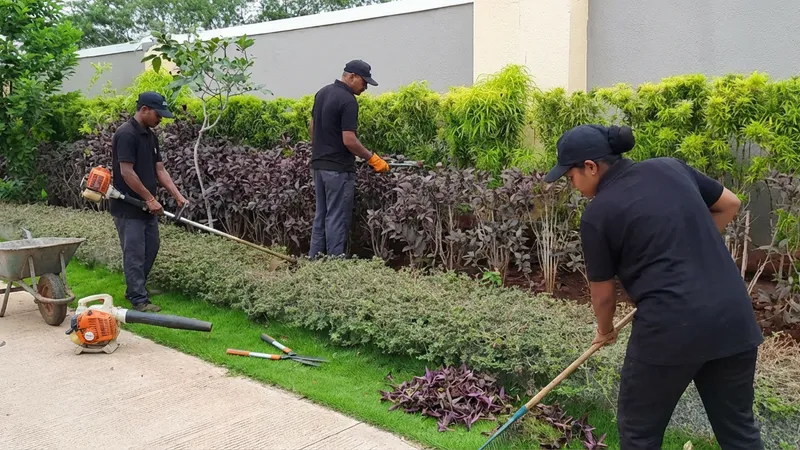
Pune averages about 763 mm of rain a year, and roughly 605 mm of it falls between June and September, according to India Meteorological Department figures. July alone averages around 184 mm. Close to four fifths of your annual rainfall arrives in four months. Most of it falls in intense bursts, an hour of heavy downpour followed by a day or two of humidity and drizzle. Your garden loves the moisture but hates the chaos that comes with it: waterlogged roots, explosive weed growth, fungus spreading across leaves overnight.
This guide covers exactly what to do before, during, and after Pune’s monsoon to keep your garden healthy. Whether you have a balcony with 10 pots or a bungalow with a full lawn, there are specific things that matter and specific things that will damage your plants if you get them wrong.
Why Monsoon Is Both Friend and Enemy
Monsoon transforms Pune gardens. Plants that looked tired and dusty through May’s 40-degree heat suddenly push out fresh leaves and double in size. Trees and shrubs planted in July and August establish faster than at any other time of year. The soil absorbs the rain, the ground cools, and the entire garden gets a reset.
But monsoon also brings problems that dry months don’t. Standing water rots roots. Weeds sprout faster than you can pull them. Snails, slugs, and fungal diseases that were dormant all summer suddenly appear and spread in days. Humidity is the reason: August is Pune’s most humid month at close to 88% average relative humidity, against a March low where daytime readings regularly fall below 30%. Fungal spores that had no chance in April find ideal conditions in July and August. The heavy laterite and clay soil common across Pune’s western areas turns into a waterlogged sludge that suffocates plant roots.
The strategy is simple: prepare before the rains hit, stay disciplined during the wet months, and recover properly once monsoon ends. Let’s walk through each phase.
Before Monsoon: What to Do in Late May
If you’re reading this in July and haven’t done any preparation, don’t panic. Start from where you are. But here’s the ideal pre-monsoon checklist for next year.
Clean your gutters and drainage paths. Water that overflows from a clogged terrace pipe doesn’t just inconvenience your household. It floods the garden bed directly below, washes away topsoil, and uproots small plants. Spend an afternoon clearing leaves and debris from drains, gutters, and the channels that direct water across your garden.
Aerate your soil. Pune’s soil compacts during the dry summer months. Hard, cracked soil won’t absorb monsoon rain, it pools on the surface and runs off. Loosen the top two to three inches of soil around plants with a hand cultivator. For lawns, use a garden fork to poke holes into compacted areas so water drains through rather than sitting on the surface.
Prune weak or dead branches. A strong monsoon gust catches a dead branch and brings it down, potentially damaging healthy plants, structures, or people below. Cut back anything that looks weak, crossing, or overcrowded. The goal is a plant structure that wind can flow through rather than a dense thicket that catches wind like a sail. For large trees on your property, this is the kind of work that benefits from professional attention. Our garden maintenance team handles pre-monsoon pruning for clients across Pune.
Check pots and containers. Make sure every pot has working drainage holes. If a pot sits in a saucer that collects water, either remove the saucer for monsoon or elevate the pot so it doesn’t sit in standing water. Roots that sit in water for more than 24 hours begin to suffocate and rot.
Apply a preventive fungicide. A neem oil spray before monsoon starts coats leaves with a protective layer that makes it harder for fungal spores to take hold. Mix 5 millilitres of neem oil in a litre of water with a few drops of liquid soap and spray every plant in your garden. This one preventive step prevents weeks of disease management later.
Secure tall plants. Stakes, ties, and supports for plants that will get top-heavy with rain. Hibiscus, dahlia, and young trees are the main candidates. Drive stakes deep enough that wet soil won’t loosen them.
During Monsoon: Weekly Care Through the Rainy Months
Monsoon is not a vacation from garden care. It’s actually the busiest season if you want your garden to look good. Growth rates double or triple, and problems that take weeks to develop in summer appear in days during monsoon.
Watering: When to Stop (And When Not To)
The most common monsoon mistake is continuing to water on your summer schedule. If it rained yesterday and the forecast says rain tomorrow, you probably don’t need to water today.
The rule: check the soil. Push your finger into the soil up to the first knuckle near the plant base. If it feels moist, don’t water. If it feels dry at that depth, give the plant water. This applies during monsoon rain breaks, those stretches of three to five dry days that happen between weather systems.
Potted plants dry out faster than garden beds, even during monsoon, because they have limited soil volume and drain quickly. Check pot soil moisture daily during dry spells. But never water a pot that already has damp soil just because it’s “watering day.”
Indoor plants are a special case. They get no rainwater, but monsoon humidity means soil stays moist much longer. Reduce indoor watering to once every seven to ten days. The office plants we maintain across Pune get roughly half as much water in July as they do in March. Our plant rental service adjusts watering schedules seasonally for every plant, and our guide to indoor plants in Pune has a season-by-season watering table for houseplants.
Weeding: The Weekly Battle
Monsoon weeds are relentless. One heavy rain, and a clean garden bed sprouts a carpet of tiny green invaders. In Pune’s climate, the main culprits are nut grass (motha), parthenium (congress grass), and various broadleaf weeds.
Pull weeds weekly, not monthly. After every two or three rains, you’ll see a new crop. The key is getting them before they flower and set seed. One parthenium plant produces thousands of seeds that stay viable in soil for years. A few hours of weeding each week prevents months of weeding later.
Pull weeds when the soil is damp but not saturated. The morning after rain is perfect because the soil is soft but workable. Wear gloves because wet soil harbours fungal spores and some Pune weeds cause skin irritation.
Fungus Management
Monsoon humidity plus warm temperatures equals fungus paradise. The three you’ll see most in Pune:
Powdery mildew. White powdery coating on leaves, especially on roses, gourds, and zinnia. Appears when humidity is high but leaves stay dry. Spray neem oil weekly. Trim and discard severely affected leaves. Don’t compost them.
Leaf spot. Brown or black circles on leaves of hibiscus, mango, and bougainvillea. Usually starts on lower leaves where humidity is highest. Remove affected leaves immediately. A copper-based organic fungicide applied every 10 days helps control spread.
Root rot. The plant suddenly wilts even though the soil is wet. Leaves turn yellow and drop. The roots have been sitting in waterlogged soil and started decomposing. By the time leaves show symptoms, the damage is usually severe. Prevention is the only reliable cure: drainage, drainage, drainage.
For any fungal issue, the first step is improving air circulation. Thin out dense growth so air moves through the plant. Remove the lowest branches and leaves that touch the soil. Don’t water in the evening, wet leaves stay wet all night and that’s when fungus spreads fastest.
Pest Watch
Monsoon brings out pests that were dormant during summer heat.
Snails and slugs. They eat holes in leaves and leave slime trails. Active at night during and after rain. Hand-pick them after dark with a torch, or set out shallow dishes of beer (they’re attracted to the yeast and drown). For severe infestations, sprinkle diatomaceous earth around plant bases. It’s organic and harmless to plants but lethal to soft-bodied pests.
Aphids and mealybugs. The humid warmth triggers population explosions. Check the undersides of leaves and new growth tips every few days. A strong jet of water dislodges most aphids. Neem oil spray handles mealybugs and the survivors.
Mosquitoes. Stagnant water in saucers, leaf axils of bromeliads, and forgotten buckets becomes mosquito breeding grounds. Empty every container that holds water at least once a week. For bromeliads and plants that naturally hold water in their leaf bases, a few drops of neem oil in the water pocket prevents breeding.
Lawn Care During Monsoon
Pune lawns take a beating in monsoon. Here’s what matters:
Mowing height. Raise your mower blades during monsoon. Cutting grass too short weakens the roots exactly when the plant faces the most stress. Bermuda grass, common in Pune lawns, should be kept at 2 to 2.5 inches during monsoon. Doob grass can stay slightly shorter at 1.5 to 2 inches.
Mowing frequency. Your lawn grows faster in monsoon. If you were mowing every two weeks in summer, you’ll be mowing every week, sometimes every five days, during peak rainy weeks. Don’t let the grass get too tall and then scalp it back, the shock damages the lawn.
Drainage. If water pools on your lawn for more than a few hours after rain, you have a drainage problem. The grass in that area will thin out and moss or algae will take over. Solutions range from simple (poking drainage holes with a garden fork) to involved (installing a French drain or re-grading the lawn). For serious drainage issues across a larger property, professional landscaping services include drainage assessment and installation.
No fertiliser right before heavy rain. If the forecast shows three days of continuous rain, hold off on lawn fertiliser. It’ll just wash into the drain. Apply fertiliser during a 3 to 4 day dry window so it has time to absorb.
Post-Monsoon Recovery: October Tasks
When the rain tapers off in late September, your garden will be at its fullest, greenest, and weediest. The post-monsoon recovery phase sets you up for the beautiful Pune winter growing season ahead.
Soil replenishment. Two months of heavy rain leach nutrients from soil. Apply a generous layer of vermicompost or well-rotted cow manure around all garden plants. This replaces what the rain washed away and prepares plants for the October-to-February growth spurt. For larger gardens that need systematic soil treatment, our garden maintenance plans include seasonal composting and soil enrichment.
Pruning the monsoon growth. Plants will have grown wildly over three months of near-ideal conditions. Trim back long, leggy stems. Shape hedges that lost their defined edges. Remove any branches that broke during storms but didn’t fully detach. This is a bigger pruning job than usual, budget a full weekend or get professional help.
Lawn repair. Bare patches where grass thinned out need overseeding. Rake the bare spot lightly to loosen the surface, scatter grass seed, cover with a thin layer of cocopeat and compost, and water gently. In Pune’s October weather, new grass establishes quickly.
Pest and disease cleanup. Remove any plants that didn’t survive monsoon. If the garden got away from you entirely over the rains, a one-time garden cleaning is usually cheaper and faster than trying to reclaim it yourself. Treat lingering fungal spots with one more round of neem oil. Check for scale insects on woody plants. They often appear post-monsoon as humidity drops.
Planting for winter. October is prime planting season in Pune. The ground is moist, the air is cooling, and everything you plant now will establish strong roots before the short winter. This is when nurseries across Pune are at their busiest. For advice on what to plant and when, see our guide to the best plants for Pune’s climate.
5 Monsoon Gardening Mistakes Pune Homeowners Make
1. Watering on top of rain. This is the most common mistake and the most damaging. If the soil is wet from rain, do not water. Root rot is silent and usually irreversible by the time leaves show symptoms.
2. Ignoring drainage before it’s a problem. Everyone thinks drainage will be fine until the first major downpour proves otherwise. Walk your garden during heavy rain and watch where water flows and pools. Fix these spots before they become dead zones.
3. Using chemical fertilisers during heavy rain weeks. Fast-release fertilisers like urea and DAP dissolve instantly and wash straight out of the soil in the first rain. You’re fertilising the storm drain, not your garden. Stick to slow-release organics during monsoon.
4. Letting weeds flower. The moment a weed produces a flower, it’s about to release hundreds of seeds into your soil. Don’t wait until the weekend. Pull it now.
5. Not pruning for airflow. A dense, unpruned plant holds humidity in its interior like a greenhouse. That trapped moisture is exactly where fungus starts. Thin plants out before monsoon arrives and maintain airflow through the season.
When to Call for Help
Some monsoon problems need professional attention:
- Large trees with storm damage that require chainsaw work and safety equipment
- Drainage issues that affect multiple areas of the property
- Lawns that have developed large dead patches from waterlogging
- Heavy fungal or pest infestations that aren’t responding to home treatments
- New planting projects you want done during the optimal July-August planting window
If you’d rather enjoy your garden during monsoon than battle weeds, we handle everything: pre-monsoon preparation, weekly monsoon maintenance including weeding and pest control, and post-monsoon recovery and replanting. Our garden maintenance service covers gardens of all sizes across Pune. Rates by property type are in the garden maintenance cost guide, and if the rain has already got away from you, a one-time garden cleaning resets things faster than a routine visit.
Ready for Monsoon?
The best time to prepare your garden for monsoon was late May. The second best time is now, even if the rains have already started.
Start with the basics: check drainage, stop overwatering, pull weeds weekly, and watch for the first signs of fungus. These four things alone will make the difference between a garden that thrives through monsoon and one that limps into October.
Need professional help this rainy season? Get in touch for a free garden assessment. We’ll visit your property, identify problem areas, and give you a clear plan, whether you want to handle the work yourself or have us take care of everything. You can also check our pricing page for transparent rates on all garden services.
We maintain gardens across Pune, from apartment terraces in Viman Nagar and Kalyani Nagar to row house gardens in Baner and Kharadi, and full bungalow landscapes in Koregaon Park and Hinjewadi.
Sources: Rainfall and humidity figures from India Meteorological Department, Pune climate normals: about 763 mm average annual rainfall, roughly 605 mm between June and September, and around 184 mm in July. Care practices, mowing heights and treatment intervals reflect Pune Greens experience across gardens we maintain, as of August 2026.
Frequently Asked Questions
How often should I water my garden during monsoon in Pune?
What are the best plants for Pune's monsoon season?
How do I prevent fungus and pests during monsoon?
Should I fertilise my garden during monsoon?
How do I prevent waterlogging in my garden during heavy Pune rains?
Need Professional Help?
Pune Greens offers these related services in Pune:
- Garden Maintenance in Pune from ₹1,000/month
- Lawn Care in Pune from ₹30/sq ft
- Landscaping in Pune from ₹15,000/project
Have Questions About Your Garden?
Talk to our experts. We'll help you figure out the right approach for your space and budget.