Winter Gardening in Pune: The Best Season, and Why It Depends on Your Area
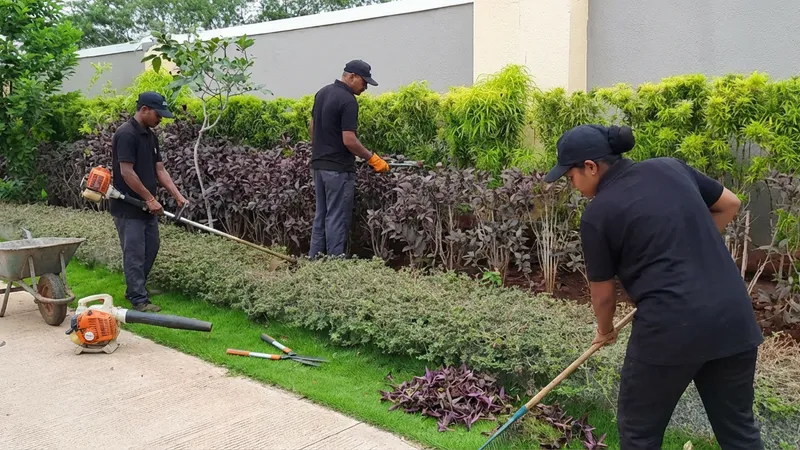
Winter gardening in Pune is the easiest work you will do all year, and the season most people underuse. The soil is workable, the days are mild, there is no waterlogging to fight and no April heat killing whatever you just planted. Anything you want to establish should go in the ground between October and February.
There is a wrinkle, though, and it is specific to this city. Winter in Pune is not one temperature. It varies by up to 6 degrees depending on which part of town you are in, and that changes what you should plant and how you should protect it.
Why Winter Gardening Works So Well in Pune
Pune’s year has one genuinely comfortable stretch and this is it.
Roughly 605 mm of the city’s 763 mm annual rainfall falls between June and September, so by late October the monsoon pressure is off. The soil holds residual moisture without being saturated. Daytime temperatures sit in the mid twenties. Nights are cool enough to trigger flowering in winter annuals but not cold enough to damage most species.
For a plant, that combination is close to ideal. Roots establish without heat stress, foliage grows without fungal pressure, and there are three to four months of it before summer arrives. A tree planted in November has a genuinely different survival chance from the same tree planted in April.
This is also why we schedule most landscaping projects in this window. Mortar cures properly, excavation is not a mud bath, and new planting gets a running start.
The 6 Degree Problem
Here is the part that generic gardening advice misses completely.
On the same winter night, IMD observations across Pune have shown a spread of up to 6 degrees within a 10 kilometre radius. Open, greener areas with less construction, like the Shivajinagar observatory and Haveli, have recorded around 10 to 11 degrees, while densely built areas including Magarpatta, Lohegaon and Koregaon Park stayed nearer 15 to 17 degrees on the same night.
The reason is straightforward urban heat. Buildings, roads and glass absorb heat through the day and release it slowly overnight. Tall buildings also block the wind that would otherwise carry that warmth away. Open, green ground has nothing holding the heat, so it radiates away quickly after sunset.
For your garden, this matters in three practical ways.
Plant selection. If you are in an older, greener, more open pocket of the city, you have a genuinely cooler garden and slightly more room for temperate winter annuals. In a dense high-rise cluster, your winter is milder and shorter than the forecast suggests.
Frost-sensitive species. Tropical plants that sulk below about 8 degrees, including calathea, some orchids and young papaya, are a realistic risk in the colder pockets and largely a non-issue in the warm ones. The same goes for houseplants on a cold windowsill, which our guide to indoor plants in Pune covers neighbourhood by neighbourhood.
Timing. Cooler areas get a longer effective winter growing window. Warmer pockets transition to summer conditions earlier, which means starting your February mulching and irrigation prep sooner than a neighbour four kilometres away.
If you are unsure which category you fall into, one winter of paying attention tells you. Note the coldest morning your area actually records rather than relying on the citywide figure, which is measured at Shivajinagar and runs at the cooler end.
How Cold Does It Actually Get?
Pune winter minimums typically sit between 6 and 12 degrees, with December and January the coldest months. Normal December minimums have generally sat around 13 to 15 degrees, though the city has recorded notably colder spells: Shivajinagar logged 5.9 degrees on a December night in 2018, and December 2025 came in as one of the coldest in a decade with an average around 10 degrees.
For most Pune gardens that is a non-event. Hibiscus, bougainvillea, ixora, crotons, plumeria and the standard shrub palette handle it without intervention. Lawns slow down but stay green.
The plants worth watching are the genuinely tropical ones and anything very young. Seedlings and freshly planted saplings have less reserve than established plants, and a cold snap in the week after planting is harder on them than the same night three months later.
What to Plant, October to February
Flowering Annuals
This is the season Pune gardens earn their reputation. Cool nights trigger flowering that simply does not happen in June.
- Petunia, in beds and hanging baskets, flowering right through to March
- Marigold, the reliable workhorse, good for borders and festival use
- Pansy and viola, which genuinely prefer the cooler pockets of the city
- Dianthus, compact and long-flowering
- Chrysanthemum, the classic Pune winter bloom
- Salvia and calendula, both undemanding
- Sweet alyssum, useful as low edging and it draws pollinators
Plant in October so they establish before peak flowering in December and January.
The Winter Vegetable Patch
Pune’s winter is the easiest vegetable season of the year, and a small bed or a few grow bags is enough to make it worthwhile.
| Crop | Sow | Ready |
|---|---|---|
| Methi (fenugreek) | Oct to Dec | 25 to 30 days |
| Palak (spinach) | Oct to Dec | 30 to 40 days |
| Coriander | Oct to Jan | 30 to 40 days |
| Radish | Oct to Dec | 40 to 50 days |
| Carrot | Oct to Nov | 70 to 90 days |
| Beetroot | Oct to Nov | 60 to 80 days |
| Peas | Oct to Nov | 60 to 70 days |
| Cabbage and cauliflower | Sep to Nov | 70 to 100 days |
| Tomato | Oct to Dec | 60 to 80 days |
Leafy crops are the quickest return and the most forgiving. Methi and palak in a grow bag will produce within a month of sowing, which is usually enough to convert someone who thought they had no interest in growing vegetables.
Trees, Shrubs and Hedges
This is the window. A tree planted in November has a full mild season to push roots out before the April heat tests it. The same tree planted in March is fighting from day one.
Structural planting, hedging, and anything you intend to be permanent should go in now rather than later.
What Changes in Winter Care
Watering: Less Often, Deeper
The most common winter mistake is carrying on with the summer schedule.
Evaporation drops sharply once the heat goes. Beds and lawns generally need water every three to five days rather than daily. Containers dry faster and may still want watering every two to three days, since a pot has far less thermal and moisture buffer than open ground.
Water in the morning. Water sitting on foliage through a cold night is an invitation to fungal problems, and it is the one genuine disease risk of the season.
The finger test still applies. Two inches down, if it is damp, wait.
Pruning: This Is the Window
Slow growth means predictable recovery, and bare structure is easier to read without dense foliage in the way.
- Structural tree pruning, December to January, removing deadwood and crossing branches
- Hard cutbacks on shrubs that have outgrown their space
- Hedge shaping, since regrowth will be tidy rather than explosive
- Rose pruning, if you grow them, around late December
Avoid heavy pruning as summer approaches. A plant’s own canopy shades its root zone in April, and removing it in March leaves the roots exposed exactly when they need cover. Tree removal, as opposed to pruning, needs Tree Authority permission through PMC under the Maharashtra (Urban Areas) Protection and Preservation of Trees Act, 1975, so factor that in if it is part of your winter plan.
Feeding: Potash Over Nitrogen
Nitrogen drives leafy growth, which is not what you want going into a season of slower metabolism. Switch to a potash-rich feed to build root strength and support flowering. Bone meal and wood ash both work. Vermicompost remains the reliable general-purpose base.
Lawn Care
Growth slows considerably, so mowing drops to roughly every two to three weeks against weekly in monsoon.
Winter is a good time for aeration and topdressing, because the lawn has recovery time and is not simultaneously fighting heat or waterlogging. If your lawn came through the monsoon patchy, overseed in October and it will knit together over the cool months.
Raise the mower height slightly. Longer blades photosynthesise more in weaker winter light.
Pests: A Quieter Season, With Exceptions
Most monsoon pests recede. Two do not.
Mealybugs thrive in dry conditions and show up as white cottony clusters at leaf joints, particularly on mogra, hibiscus and citrus. A monthly neem oil spray prevents most of it.
Aphids arrive with the soft new growth on winter annuals. They are easy to dislodge with a strong spray of water if you catch them early.
Preparing for What Comes Next
The last month of winter is really the first month of summer preparation, and getting it right in February saves a great deal in May.
- Mulch everything. Two to three inches of dry leaves or cocopeat around plant bases cuts evaporation from the soil surface by more than half.
- Service the irrigation. Flush drip lines, replace perished tubing, test the timer, before you actually need it.
- Raise mowing height further. Longer grass shades its own roots.
- Plan shade for whatever struggled last April, whether that means a temporary net or moving pots.
- Get the last planting in. February is the final comfortable window. Anything going in during March needs drip irrigation from the first day.
Our garden maintenance checklist for Pune sets out the full seasonal calendar if you want the year in one place, and the monsoon care guide covers the opposite end of it.
A Realistic Winter Gardening Plan
If you do nothing else this winter, do these five things:
- Plant in October. Annuals, vegetables, and anything structural.
- Cut watering frequency roughly in half, and shift it to mornings.
- Prune properly in December, while you can see what you are doing.
- Overseed and aerate the lawn while it has recovery time.
- Mulch in February, before you need it.
That is most of the value of winter gardening in Pune, and none of it is complicated.
If you would rather it simply happened, monthly garden maintenance in Pune starts at ₹1,000 and the winter schedule is the lightest of the year. Our garden maintenance cost guide breaks the rates down by property type, and if the garden has already been let go, a one-time garden cleaning comes first. Call +91-9503620110 or book a gardener online.
Sources: Rainfall figures from India Meteorological Department, Pune climate normals: about 763 mm annually, roughly 605 mm between June and September. Winter minimum temperatures and the intra-city temperature spread from IMD observatory readings as reported for Shivajinagar, Haveli, Magarpatta, Lohegaon and Koregaon Park, including a recorded December low of 5.9°C at Shivajinagar. Tree removal requirements under the Maharashtra (Urban Areas) Protection and Preservation of Trees Act, 1975, administered locally by the PMC Tree Authority. Sowing windows, care intervals and maintenance rates reflect Pune Greens practice as of August 2026.
Frequently Asked Questions
Is winter a good time to garden in Pune?
What should I plant in Pune in winter?
How often should I water my garden in Pune during winter?
Does Pune get cold enough to damage plants?
Why is winter colder in some parts of Pune than others?
Should I prune in winter in Pune?
Need Professional Help?
Pune Greens offers these related services in Pune:
- Garden Maintenance in Pune from ₹1,000/month
- Landscaping in Pune from ₹15,000/project
- Lawn Care in Pune from ₹30/sq ft
Have Questions About Your Garden?
Talk to our experts. We'll help you figure out the right approach for your space and budget.