· Updated
Best Plants for Pune Climate: Heat, Rain & All-Season Survivors
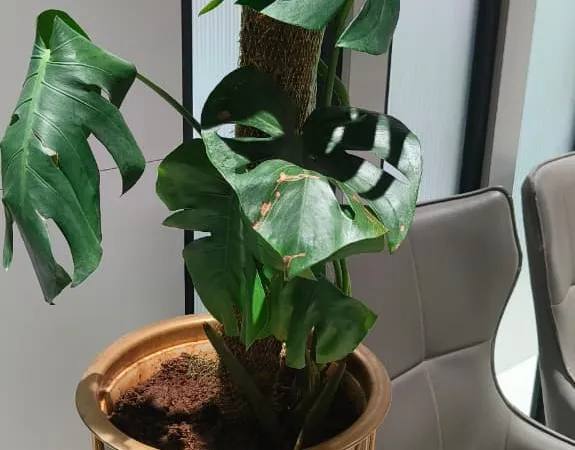
Pune’s climate is unusual. Three hours from the coast but sitting on the Deccan plateau between roughly 500 and 600 metres above sea level, the city gets hot dry summers with May highs near 38 degrees and spikes past 40, a concentrated monsoon delivering about 605 millimetres between June and September, and cool dry winters where January mornings can fall to 10 degrees or below. A plant that handles all three seasons without complaint earns its place in your garden. One that doesn’t will die predictably at the same point each year.
This guide covers the plants that genuinely work in Pune. Not the ones that nurseries sell because they look pretty in a shade house, but the ones that survive your terrace in May and your garden bed in July. We’ve maintained gardens across Koregaon Park, Hinjewadi, Kharadi, and a dozen other Pune neighbourhoods, and these are the species that keep thriving.
Understanding Pune’s Climate for Gardening
Before we get to plant names, let’s understand what you’re working with. Three very different seasons.
Summer (March to May): Dry heat with daytime temperatures pushing 40 degrees Celsius. Humidity drops to 20 to 30%. Water evaporates fast. Soil surfaces crack. Plants that evolved for tropical humidity, ferns, calatheas, most orchids, struggle badly unless in deep shade with daily misting.
Monsoon (June to September): The relief comes with complications. Heavy rain means explosive growth, but also waterlogged soil, fungal diseases, slugs, and snails. Plants that dislike wet feet, succulents, lavender, rosemary, are at risk of root rot if drainage isn’t excellent.
Winter (October to February): Mild days (25 to 30 degrees), cool nights (8 to 12 degrees), and dry air. This is Pune’s best growing season and the time to plant most species. The cool nights trigger flowering in winter annuals like petunia and chrysanthemum, while trees and shrubs use the moderate conditions to establish strong roots.
The soil adds another variable. Western Pune (Baner, Hinjewadi, Wakad) sits on red laterite soil that’s well-draining but low in organic matter. Central and eastern Pune (Koregaon Park, Kalyani Nagar, Kothrud) has darker, more fertile soil but it gets heavy and sticky when wet. Most plants benefit from adding compost regardless of which side of town you’re on.
Now, the plants.
Top 15 Plants That Thrive in Pune
These are the proven survivors. Not trendy, not gimmicky, not plants that die mysteriously after three weeks. Each one has been tested across multiple Pune gardens and seasons.
1. Hibiscus (Jaswand)
The undisputed king of Pune gardens. Flowers year-round, handles full sun and 40-degree heat without flinching, and comes in red, pink, yellow, orange, and white varieties. Prune it hard once a year after monsoon and it comes back bushier. Hibiscus does get aphids and mealybugs, a monthly neem oil spray keeps them under control. Grows equally well in the ground and in large pots.
2. Bougainvillea (Boganvel)
Basically unkillable in Pune. Thrives on neglect. The hotter and drier it gets, the more it flowers. Bougainvillea flowers best when slightly stressed so don’t overwater it. During monsoon, pull back on watering entirely. Prune after each flowering cycle to keep it compact. Great for boundary walls, entrance arches, and large pots on sunny terraces.
3. Periwinkle (Vinca / Sadabahar)
The name “sadabahar” means “ever-blooming” and it earns the title. Vinca flowers in pink, white, and red virtually every day of the year in Pune. It self-seeds, so once you plant it, volunteers appear in nearby beds and cracks in pathways. Drought-tolerant and disease-resistant. The only caution: vinca doesn’t like wet feet so plant it in well-draining soil or raised beds.
4. Portulaca (Moss Rose / Gul-e-dopahri)
Summer’s best ground cover. Portulaca flowers open in bright sun and close by evening, producing carpets of pink, yellow, orange, and white over hot dry soil. Plant it in March and it’ll flower through May, taking the worst of Pune’s summer without complaint. Needs full sun and very little water. Self-seeds reliably.
5. Crotons
The plant that brings colour without flowers. Croton varieties in Pune range from yellow-spotted to deep red to near-black, and they handle the transition from summer to monsoon better than most foliage plants. They need protection from harsh afternoon sun in May (partial shade is fine) but otherwise are low-maintenance. The more sun they get, the more vivid the leaf colours become.
6. Areca Palm
The best tall plant for Pune gardens and terraces. Feathery fronds create a tropical look, and a healthy areca palm grows 15 to 25 feet tall over a few years. It handles full sun in the ground but prefers partial shade on terraces where pots heat up faster. Needs regular watering in summer. Monsoon humidity is its favourite season. Very popular in Pune compound gardens and as a natural screen between properties.
7. Plumeria (Champa / Frangipani)
That fragrant white-and-yellow flower you see in temple offerings. Plumeria grows into a small tree with thick, sculptural branches and flowers heavily during summer and monsoon. The fragrance fills an entire garden, especially in the evening. Loses its leaves in winter (normal), then re-foliates in spring. Extremely drought-tolerant once established. Can be grown in large pots or in the ground.
8. Ixora (Rugmini)
Compact shrub with clusters of small red, pink, or orange flowers. Excellent for hedges and borders. Flowers nearly year-round in Pune, with peak blooming during and after monsoon. Prefers slightly acidic soil, if leaves turn yellow, add a handful of coffee grounds or a teaspoon of alum powder to the soil. Ixora handles Pune summers well with a little afternoon shade.
9. Curry Leaf Tree (Kadi Patta)
Essential in every Maharashtrian kitchen and surprisingly ornamental. A curry leaf tree grows 6 to 12 feet tall with aromatic leaves you can harvest year-round. It needs full sun and well-draining soil. The main threat in Pune is the curry leaf butterfly caterpillar, which can strip a small tree in days. Check the undersides of branches weekly during monsoon and remove any caterpillars by hand.
10. Mogra (Arabian Jasmine)
The double-flowered variety with that unmistakable evening fragrance. Mogra flowers most heavily during summer and monsoon. Plant it near a window or seating area and the scent drifts into the house. Needs regular watering and monthly fertiliser during the growing season. Prone to mealybugs in dry months, a monthly neem oil spray prevents infestations.
11. Snake Plant (Indoors and Outdoors)
Works indoors as an office plant and outdoors as a border plant. It is also one of the species we use most in plants on rent for Pune offices, precisely because it survives conditions that kill everything else. Snake plants handle Pune’s dry summer air and monsoon humidity equally well. They tolerate low light and irregular watering, making them the most forgiving plant in this entire guide. Our indoor plants guide covers snake plant care in detail for office environments.
12. Coleus
Grown for its spectacular foliage in pink, burgundy, green, and lime. Coleus loves Pune’s monsoon and grows explosively between June and September. During summer it needs shade and frequent watering to prevent wilting. It’s an annual in Pune, plant new ones each June from cuttings or nursery seedlings. Excellent for shaded borders and pots under trees.
13. Tulsi (Holy Basil)
Every traditional Pune home has at least one tulsi plant. It grows easily in pots or the ground, needing full sun and well-draining soil. Tulsi is an annual that completes its life cycle in about 18 months. During monsoon, watch for leaf spot fungus. Remove affected leaves and reduce watering. Pinch off flower spikes to extend the plant’s productive leaf-growing period.
14. Chillies (Mirchi)
The easiest vegetable to grow in Pune. A single chilli plant in a 12-inch pot produces chillies for 8 to 12 months. Green chillies do slightly better than bell peppers in Pune’s conditions. Plant in October for winter harvest, or in February for summer harvest. Chillies need full sun and regular watering. Too much nitrogen produces leafy plants with few chillies, so go easy on the fertiliser.
15. Lantana
A hardy flowering shrub that thrives on neglect in Pune. Clusters of small flowers in pink, yellow, orange, and purple that butterflies love. Lantana handles drought, heat, and poor soil without complaint. It can become invasive if not pruned, keep it contained to garden beds. The berries are toxic to pets and children, so plant with awareness.
Best Plants by Purpose
Different spaces need different plants. Here’s what to choose based on what you’re trying to achieve.
Best Flowering Plants for Pune
| Plant | Flowering Season | Sun Needed | Water Needs | Notes |
|---|---|---|---|---|
| Hibiscus | Year-round | Full sun | Regular | Prune post-monsoon for more blooms |
| Vinca (Periwinkle) | Year-round | Full sun to partial | Low | Self-seeds, very drought-tolerant |
| Bougainvillea | Year-round (peak summer) | Full sun | Low | Flowers best when slightly stressed |
| Mogra | Summer and monsoon | Full to partial sun | Regular | Evening fragrance, mealybug-prone |
| Ixora | Year-round (peak monsoon) | Partial shade | Regular | Needs slightly acidic soil |
| Plumeria (Champa) | Summer and monsoon | Full sun | Low | Fragrant, loses leaves in winter |
| Marigold (Zendu) | Winter and monsoon | Full sun | Regular | Seasonal, replant each cycle |
| Petunia | Winter (Oct-Feb) | Full sun | Regular | Cool-season annual |
| Chrysanthemum | Winter (Nov-Jan) | Full sun | Regular | Buy ready plants from nurseries in Oct |
| Portulaca | Summer (Mar-May) | Full sun | Very low | Ground cover, flowers bright |
Best Foliage Plants for Pune
These bring green structure to your garden without relying on flowers.
- Areca Palm, tall, tropical, and fast-growing. Great as a screen or focal point.
- Crotons, vibrant leaf colours year-round. More sun equals more colour.
- Coleus, seasonal foliage in every colour. Plant in June, enjoy through November.
- Money Plant, the classic climber. Grows in soil or just water. Excellent for walls and window grilles.
- Ferns (in shade), maidenhair and Boston fern work in deeply shaded, humid corners. Not for sunny spots.
- Aglaonema, colourful low-light foliage for shaded garden beds or indoor corners.
Growing foliage inside the flat rather than outdoors? The rules change, because the problem indoors is Pune’s humidity swing rather than its sun. Our guide to indoor plants in Pune covers which species handle it.
Best Vegetables and Herbs for Pune
The great thing about Pune’s climate is that you can grow vegetables year-round if you pick the right ones for each season.
Summer vegetables (Feb-May): Brinjal (vaangi), okra (bhendi), cluster beans (gavar), chillies, sweet potato leaves. All handle the heat with regular watering.
Monsoon vegetables (Jun-Sep): This is the trickiest season for vegetables because heavy rain damages delicate plants. Stick to hardy options: amaranth (math), spinach (palak), fenugreek (methi), ridge gourd (dodka), and bitter gourd (karela). These handle wet conditions. Raise beds slightly to improve drainage.
Winter vegetables (Oct-Feb): The best vegetable season in Pune. Tomato, capsicum, cabbage, cauliflower, peas, beans, coriander, lettuce, and radish all thrive. Plant in October and harvest through February. For a detailed vegetable garden setup with soil preparation and planting plans, our terrace garden service and balcony garden service both include edible garden options.
Year-round herbs: Mint (pudina), lemongrass, curry leaves, and ajwain grow in Pune all year. Plant once and harvest continuously. Mint needs partial shade and lots of water. Lemongrass needs full sun and well-draining soil.
Best Plants for Full Sun and Heat
A west-facing terrace in May is the hardest spot in any Pune home. Six-plus hours of direct sun, air temperatures near 40 degrees, and pots and tiles that heat up well beyond that by afternoon. Most plants scorch there. These are the ones that flower harder the more sun they get.
| Plant | Why it handles full sun | Water in May | Best spot |
|---|---|---|---|
| Bougainvillea | Flowers most when hot and slightly dry | Low, let soil dry out | Terrace edges, boundary walls |
| Portulaca | Succulent leaves store water | Very low | Ground cover, shallow pots |
| Vinca (Sadabahar) | Drought-tolerant, flowers daily | Low | Beds, railing planters |
| Hibiscus | Takes 40-degree heat if watered | Regular, morning | Large pots, garden beds |
| Plumeria (Champa) | Thick stems hold moisture | Low once established | Large pots, corners |
| Lantana | Thrives on heat and poor soil | Low | Beds, borders |
| Oleander (Kanher) | Leathery leaves resist drying | Low | Boundaries, large pots |
| Adenium (Desert Rose) | Swollen trunk stores water | Very low | Sunniest pots |
| Agave and Aloe | Desert plants, zero fuss | Almost none | Pots on hot tiles |
Three things make full-sun planting work in Pune. Mulch every pot and bed before March, since it cuts evaporation from the soil surface by more than half. Water early in the morning, never at midday, when water on hot leaves and soil does more harm than good. And raise pots off the terrace floor on bricks or stands, because tiles in May hold enough heat to cook roots through the bottom of the pot.
Avoid putting ferns, calathea, begonia, coleus or peace lily in full sun at all. They scorch quickly, whatever you do with the watering can.
Best Drought-Resistant Plants for Pune
For gardens where daily watering isn’t realistic, and for the water-conscious gardener.
- Bougainvillea, flowers more with less water
- Portulaca, stores water in succulent leaves
- Vinca, thrives in dry soil
- Plumeria, established trees need almost no supplemental water
- Agave and Yucca, structural desert plants, zero water once established
- Oleander (Kanher), flowers in pink and white, extremely tough
- Aloe Vera, medicinal and ornamental, grows effortlessly in pots
For comprehensive drought-resistant garden planning, including soil preparation and plant combinations, our garden maintenance team can design a low-water garden for your space.
Plants for Every Space Type in Pune
Balcony Gardens (Under 150 Sq Ft)
Space is limited, so choose compact, high-impact plants. A well-planned balcony garden in Pune typically includes:
- Vertical growers: Money plant (on a trellis), morning glory (seasonal climber)
- Compact flowering: Vinca, portulaca, miniature rose, chrysanthemum (winter)
- Edibles in pots: Chillies, mint, coriander, curry leaves, tulsi
- Foliage accent: A single croton or snake plant for structure
Use lightweight pots with good drainage. Balcony floors get hot in summer, so raise pots on bricks or stands. Watering frequency depends on sun exposure: south-facing balconies may need daily watering in summer, north-facing ones every two to three days.
Terrace Gardens (150 to 500+ Sq Ft)
Terrace gardens in Pune face unique challenges: intense sun, wind exposure, and weight limitations. But they also get the best light in the house.
A well-designed terrace garden uses layers: tall plants (areca palm, curry leaf) to create partial shade for medium plants (hibiscus, crotons), with low plants (vinca, herbs) at the front. Wind protection matters, use trellises or bamboo screens on the windward side of the terrace.
Waterproofing is critical. Before placing any plants on a terrace, ensure the surface is properly waterproofed and has a slope for drainage. Standing water damages the roof structure over time.
Garden Beds and Bungalow Gardens
Here you have the most flexibility. A Pune garden bed benefits from layers:
- Canopy: Existing trees or planted fruit trees like mango, chikoo, or custard apple
- Shrub layer: Hibiscus, ixora, crotons, bougainvillea on boundaries
- Ground layer: Vinca, portulaca, coleus (monsoon), seasonal flowers
- Edges and pathways: Lantana, dwarf ixora, snake plant borders
The important thing with garden beds is soil quality. Pune’s native soil benefits enormously from regular compost application. Add a two-inch layer of vermicompost to all garden beds twice a year, once pre-monsoon in May and once post-monsoon in October.
Seasonal Planting Calendar for Pune
Here’s exactly what to plant each month for a garden that looks good all year.
Summer Planting (March to May)
- Plant now: Vinca, portulaca, bougainvillea, okra, brinjal, chillies
- Protect from heat: Mulch all beds, move potted plants to partial shade, increase watering frequency
- What to avoid planting: Delicate annuals, most seeds (they germinate poorly in extreme heat), ferns
Monsoon Planting (June to September)
- Plant now: This is prime planting season. Trees (mango, chikoo, neem), shrubs (hibiscus, ixora, crotons), climbers (mogra, rangoon creeper), coleus, lawns from seed or turf. Almost everything establishes well when planted in July and August.
- Add: Vermicompost to all beds as pre-monsoon preparation
- Watch for: Fungal issues on new growth, slugs on tender seedlings
Winter Planting (October to February)
- Plant now: All winter annuals, petunias, chrysanthemums, marigolds, dahlias, salvias. Vegetables, tomatoes, capsicum, peas, beans, leafy greens. New lawns establish well in October before winter sets in.
- Prune: Summer flowering shrubs after their cycle ends. Trees after leaf drop.
- Fertilise: This is the active growing season. Apply vermicompost and liquid fertiliser every two to three weeks through January.
For detailed month-by-month guidance that considers your specific location in Pune and your garden’s unique conditions, our garden maintenance plans include a customised seasonal care calendar.
Common Plant Problems in Pune and Their Fixes
Every Pune gardener encounters these issues sooner or later. Here’s what they are and how to fix them.
Yellow leaves that drop in summer. Not always a watering issue. Check if the plant is getting harsh afternoon sun. Many plants that thrive in morning sun get scorched by 2 PM heat in May. Move to partial shade or install a green shade net (available at any Pune nursery).
Powdery white coating on leaves (powdery mildew). Appears during monsoon and winter when humidity is high but leaves stay dry. Most common on roses, cucumbers, and gourds. Spray neem oil solution weekly. Remove and discard severely affected leaves. Our monsoon garden care guide covers fungus management in detail.
Leaf edges turning brown and crispy. Almost always a water or AC issue. In summer, it’s the plant losing water faster than roots can replace it. Move to shade and water deeply. Near AC outdoor units, the hot exhaust blast scorches leaves, move plants at least two metres away from AC units.
Plants wilting even though soil is wet. This is root rot from waterlogged soil. The roots have started decomposing and can no longer absorb water, even though it’s available. By the time you see this symptom, the damage is usually severe. Remove the plant, improve drainage in that spot, and replant.
Ants farming aphids on your plants. You see ants climbing up stems and notice sticky residue on leaves. The ants are protecting aphids because they feed on the honeydew the aphids produce. Spray neem oil to kill the aphids. The ants will leave once their food source is gone.
Curry leaf plant stripped bare overnight. The curry leaf butterfly caterpillar. Remove caterpillars by hand and spray neem oil. Check the plant every two to three days during monsoon, eggs hatch in waves.
How We Can Help
Choosing the right plants is step one. Keeping them alive through three seasons of Pune’s climate is step two, and it’s where most people struggle.
We’ve been maintaining gardens in Pune for over eight years. Our team handles everything: soil preparation, plant selection for your specific location and light conditions, planting, regular maintenance (watering, pruning, pest control, fertiliser), seasonal replanting, and drainage management. Whether it’s a balcony garden setup, a terrace garden redesign, a full landscape installation, or ongoing monthly garden maintenance, we cover it.
If you’d rather focus on enjoying your garden than troubleshooting it, get in touch for a free consultation. We’ll visit your space, understand what you want, and give you a clear plan with no obligation. You can also see our pricing page for transparent rates on every gardening service.
We serve all of Pune including Baner, Aundh, Wakad, Hinjewadi, Kharadi, Viman Nagar, Kalyani Nagar, Koregaon Park, and Kothrud.
Sources: Rainfall figures from India Meteorological Department, Pune climate normals: about 763 mm average annual rainfall, roughly 605 mm of it between June and September. Temperature and humidity ranges from published climate normals for Pune. Plant performance notes, flowering seasons and soil mixes are from Pune Greens gardens across the city, as of August 2026.
Frequently Asked Questions
What are the easiest plants to grow in Pune?
Which flowering plants bloom year-round in Pune?
Can I grow vegetables on a Pune balcony?
What plants survive Pune's hot summer (March to May)?
What soil mix works best for Pune gardens?
Need Professional Help?
Pune Greens offers these related services in Pune:
- Garden Maintenance in Pune from ₹1,000/month
- Terrace Garden in Pune from ₹100/sq ft
- Balcony Garden in Pune from ₹5,000/project
- Landscaping in Pune from ₹15,000/project
Have Questions About Your Garden?
Talk to our experts. We'll help you figure out the right approach for your space and budget.